traveling solo to boston with health in mind
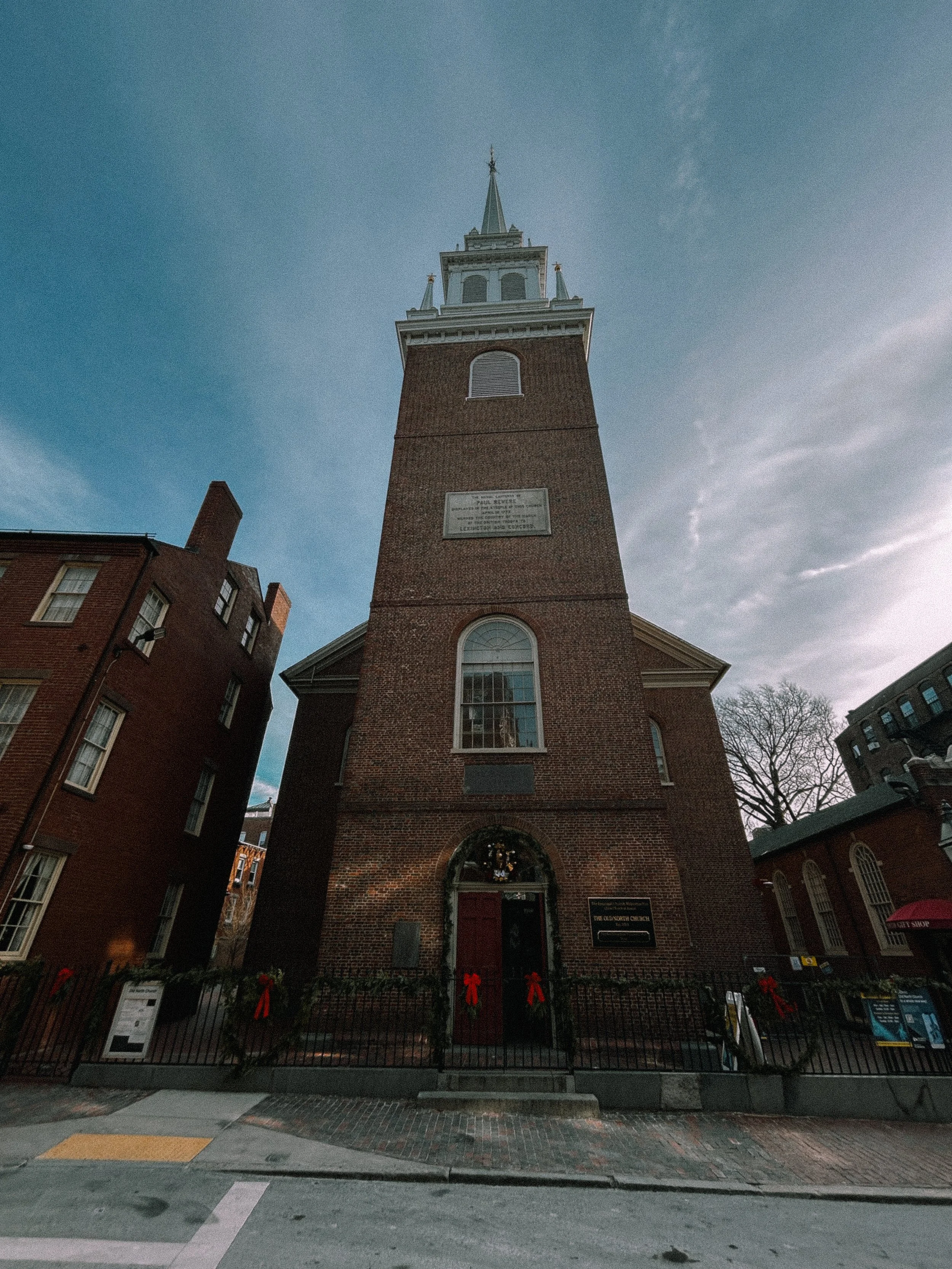
I took myself to Boston, MA at the end of December for a solo trip. I am a sucker for a new city, coffee shops, architecture walks, art museums, and history. Boston provided all of those things and more for a winter wonderland adventure!
Having to factor in the reality of your health, body’s limits, and trying to not overdo it in an exciting city can feel that your health limitations or maintenance needs may taint the trip. I’m here to tell you that it can be done, it just requires a few shifts. One of the major benefits of traveling solo (besides literally getting to do anything YOU want) is traveling at your own pace.
packing for your health
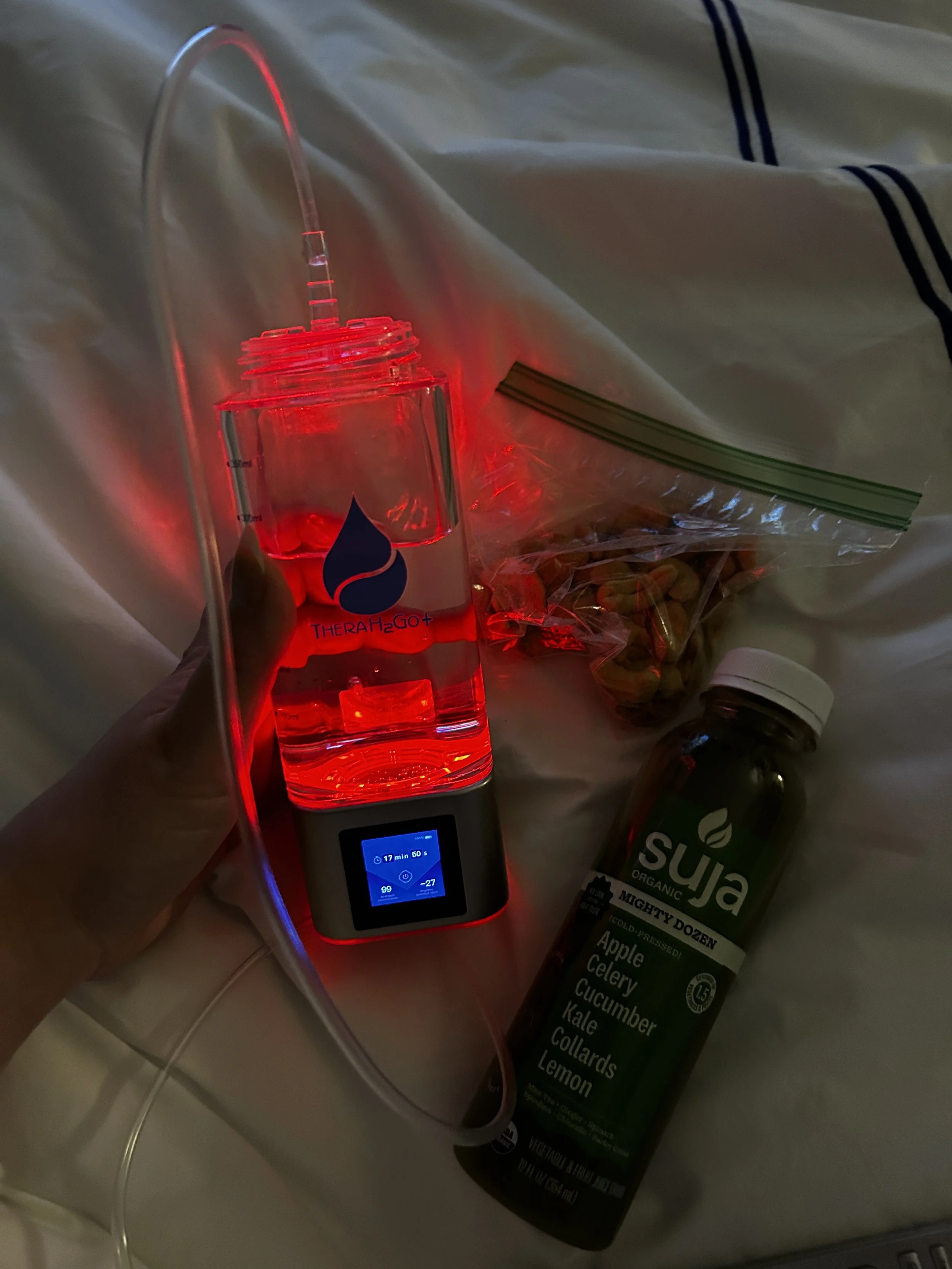
I have to be honest, I got a bit overwhelmed packing for this trip because of everything I needed to bring. With this being a winter trip, I had to make room for coats, gloves, hats, etc as well as my health necessities. I ended up making it work, but I did have to get over the hump of “oh my gosh this isn’t going to work… what am I doing!?”. I took a deep breath, talked it out, and realized I just need to get a little creative with my packing.
One of the very first things you have to take into consideration when solo traveling with your health gear is you have to make it manageable for you to carry/roll solo to your destination. I typically like to check my bag and then just have a personal item, but for this trip that was not an option due to needing winter clothing. To simplify: I chose a tote bag that I could slide both my small purse and cpap bag into so I only had to juggle the tote and my roller bag. Just make sure you are packing with those transfers, airport layovers, and transportation to your hotel in mind whenever possible. Having a checked bag and a roller carry on is not my ideal situation, but I was able to Uber directly to the hotel so I didn’t have to deal with it for very long.
plan ahead as much as possible
My travel strategy is to plan as much as you can ahead of time. I like to know what restaurants and coffee shops are going to be my best healthy options, how much walking I will most likely be doing each day, and picking what I’m going to do each day so I don’t have to make decisions in the moment. We are trying to reduce stress, overwhelm, and conserve energy for fun activities.
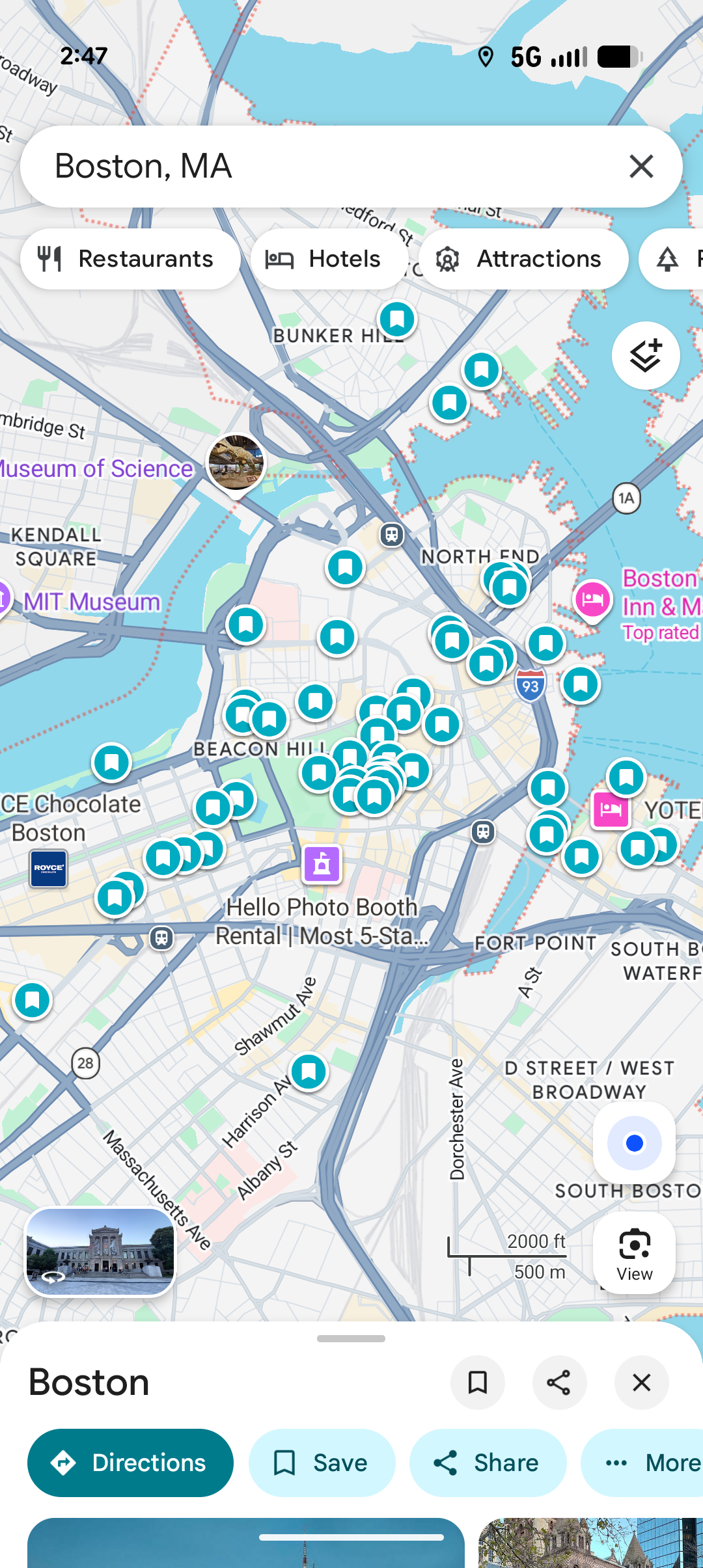
My favorite way to do this is creating a list on Google maps and saving everything I want to see and do in that list. Then, you can go into the app to see all the places highlighted and figure out how to group your activities together. I try to group things together by distance from each other so I’m not walking extra steps by going from one side of the city to the other. Plan your itinerary by proximity whenever possible- including restaurants and food breaks.
Here are my recommendations for making sure you aren’t overdoing it on your trip:
Create a google maps list with everywhere you want to go
Use directions to figure out the actual distance between certain places
Clump your destinations by proximity to optimize your time, energy, and give yourself some margin in your day
plan ahead where you are going to eat that are close to your destinations for the day
Give yourself enough time in the morning to prep for your busy day, get a good night's sleep, and go at the pace that is right for you
BONUS: Prebook museum entries, dinner reservations, etc whenever you can so you aren’t wasting energy standing in line!
creating margin in your day
I have a pretty set in stone morning routine when I’m home that includes things I couldn’t bring with me on a trip. I have learned I can’t just throw out my habits and routines when traveling, they just have to be modified for what is available. Do what you are able and find alternatives if necessary. Don’t just drop it all because you are on vacation because that will make your trip that much more difficult to enjoy. We want to avoid a symptom flare, not bring them on.
Give yourself enough time in the morning to eat a good breakfast, do any therapies/habits, and get ready slowly for a busy day ahead. Be as realistic as possible, but also think about doing the things that are going to give you the support you need to have the best trip. Treat your trip like a marathon, not a sprint. Pace yourself, put extra time in your itinerary for unexpected stops or rest time and most importantly: give yourself grace when you need rest. There is no wrong way to vacation or travel, so slow down and make it doable for you without any guilt. In fact, give yourself a pat on the back for honoring your body and being honest with yourself.
extras that make a huge difference
I felt much better prepared for this trip than previous trips because I was truly honest with myself about what is hard for me to endure or deal with on trips. I brought along a few extra items and also did a few things differently that made a huge difference in my recovery each day.
flare calmer noise reducing earplugs: they don’t remove sounds, but reduce reverberation so you feel less overstimulated
sit when you need to rest: sounds simple, but just sitting down when you need to rest or regroup is life changing. You don’t have to push through the pain for it to be a good trip. In fact, it will be better when you listen to your body
plan rest into your trip: start a little later one morning, eat dinner in your hotel room one night and have a relaxing evening, or take a midday nap.
bring a journal or sketchbook: to document each day and have something to do in the hotel that does not require a screen
electrolytes: I have them every morning for a good boost for the day
my shaker cup & to go protein shake packets: great when you are in a pinch or just need a cup at the airport/hotel for water
healthy snacks: bring them with you, get them delivered to your hotel room, or find a nearby store to stock up.
hotel room with a refrigerator: stay hydrated with cold water, have fruit and veggies ready to go when you need a snack, and keep any meds that need to be refrigerated cold.
my favorite things to do in boston
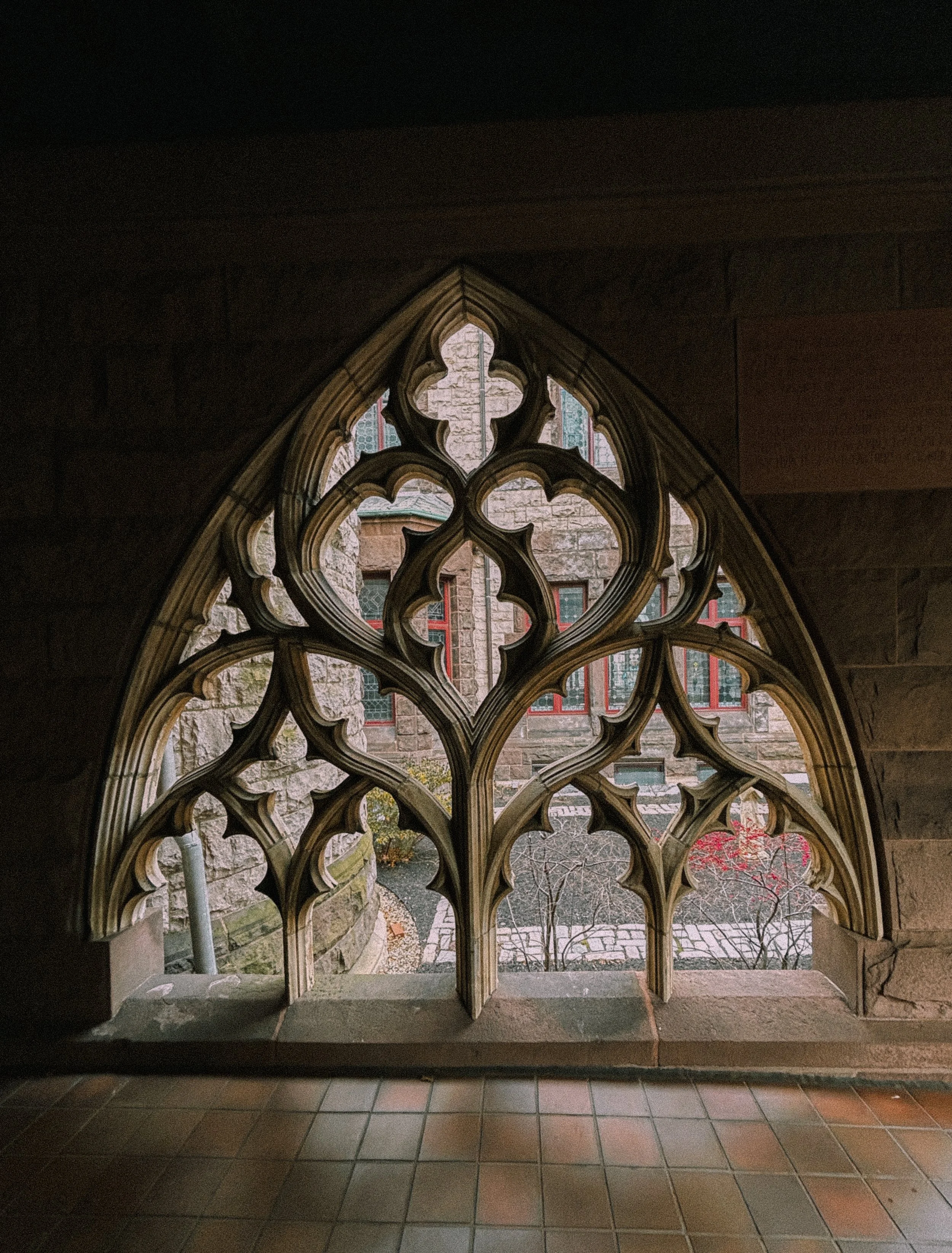
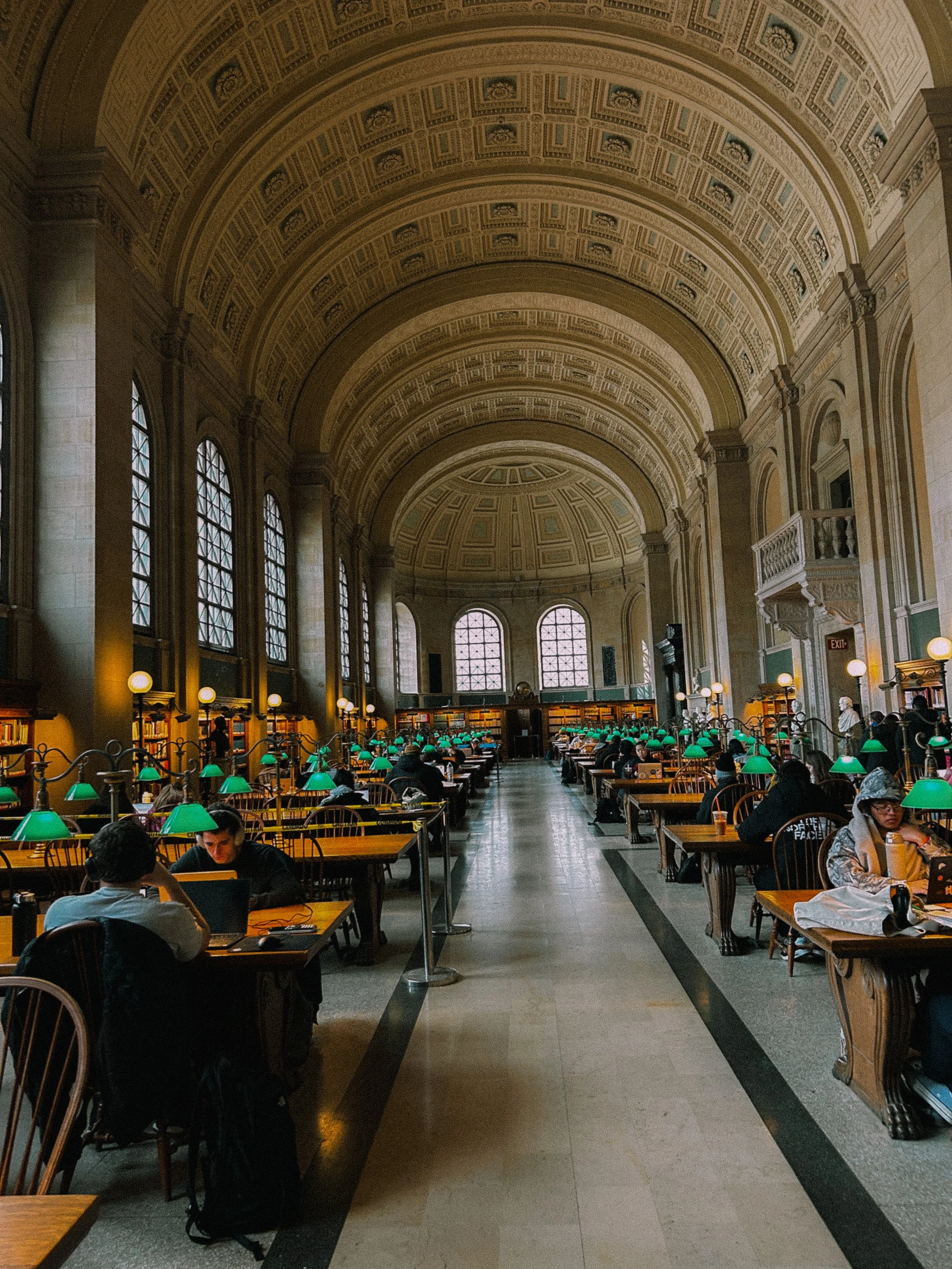
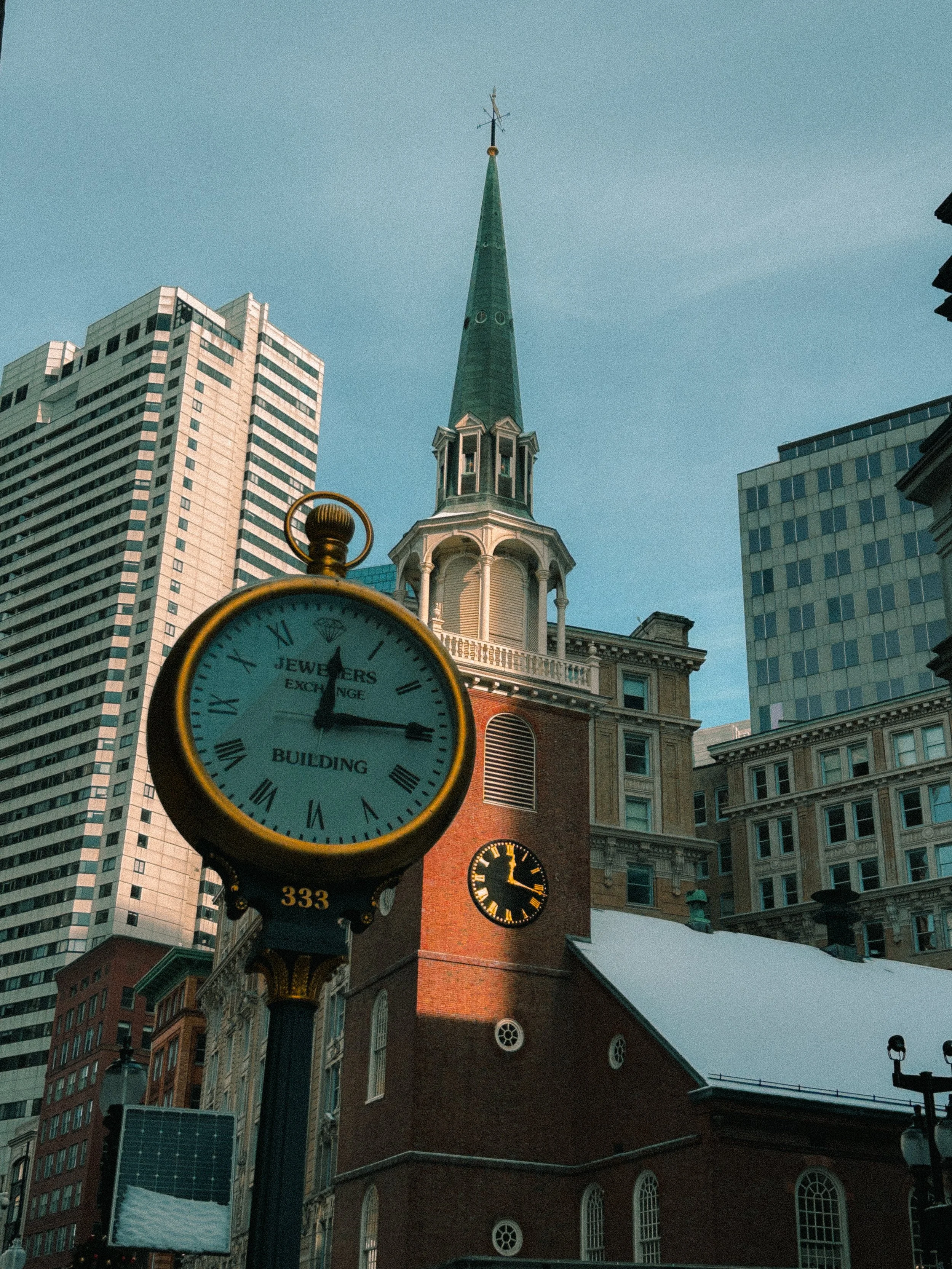

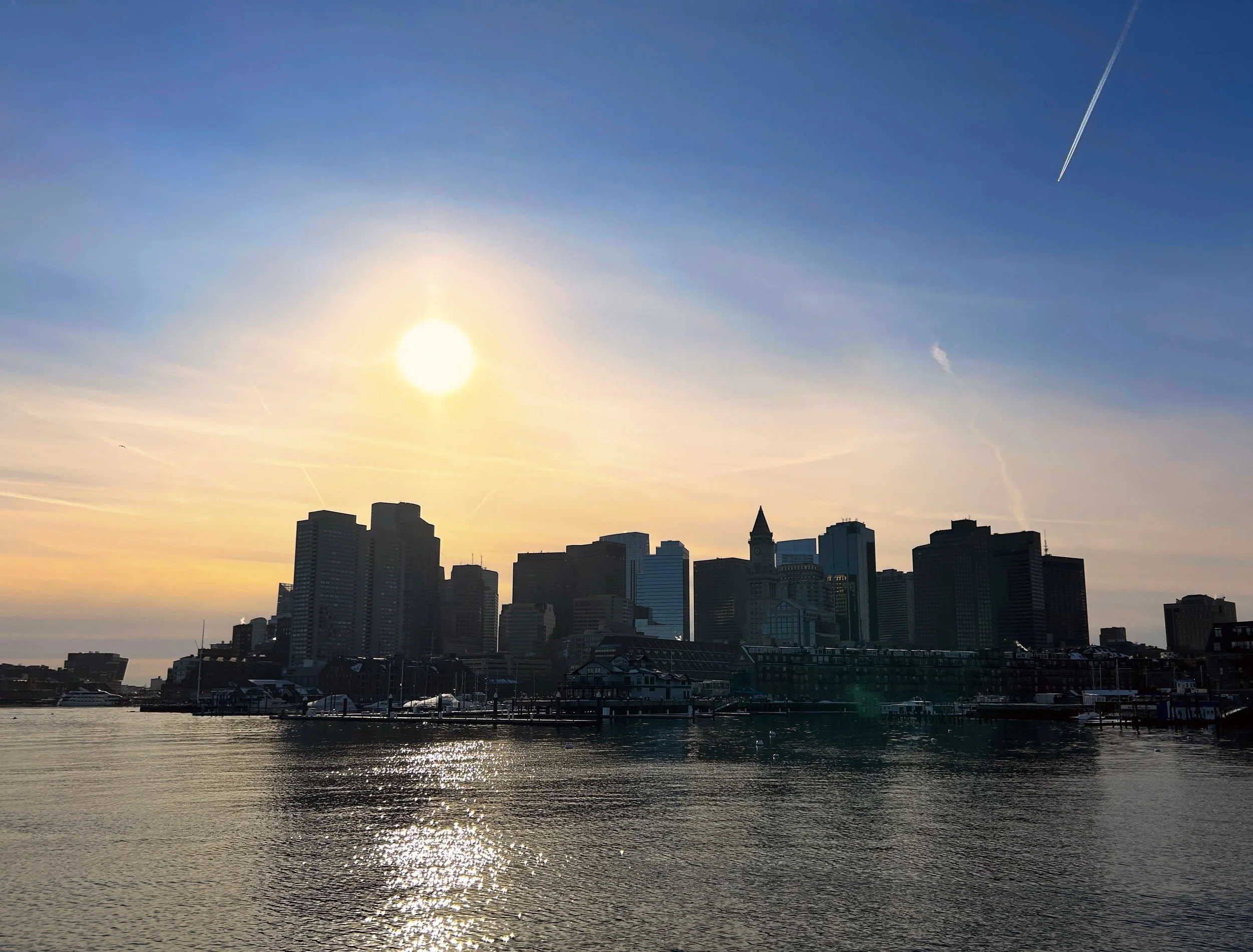
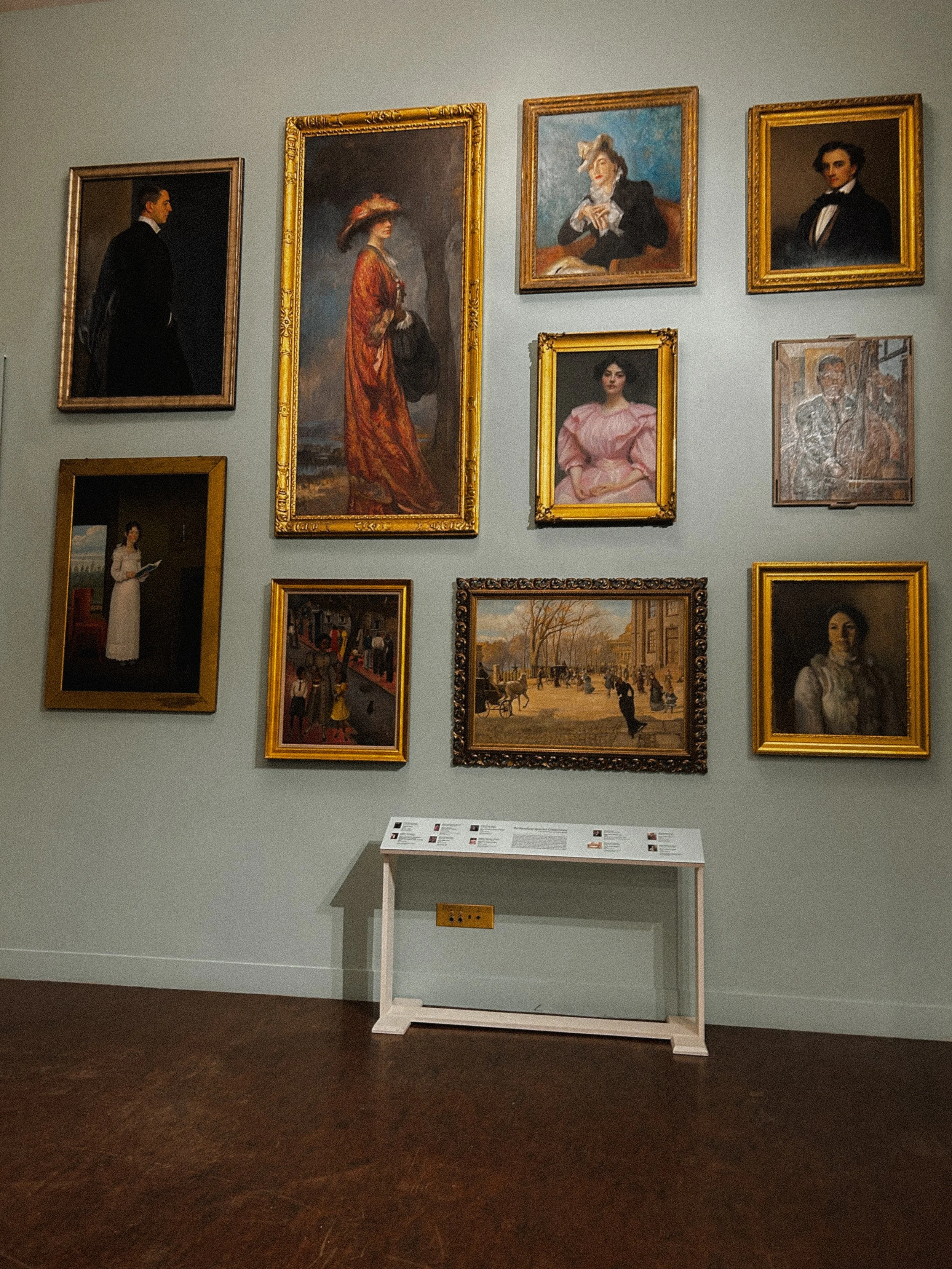
Boston Athenaeum: beautiful privately run library and art gallery. I truly didn’t spend enough time here. My recommendation is to bring a book, sketchbook, or something to do quietly and just sit and enjoy the views. It’s $40 at the door to enter, so make the most of it by spending a few hours enjoying some chill time. It’s a very quiet atmosphere so it could be a good place to have some down time in between activities.
Hop on hop off trolley tour: I love a good hop on hop off bus! My trick is to do it the first day you are at your destination to learn about the area, get your bearings for where everything is, and have a less walking heavy day after your travel day. It’s a perfect introduction to Boston and you can get off at any stop. The buses come back to each destination every 30 minutes.
Freedom Trail: It’s about a 2.5 mile walk total (but may need to factor in walking to the starting point and getting back). You can do it with a guide or use the free audio options online.
Harbor Cruise: About an hour long boat ride around the harbor that gives you great views of the city and historic commentary along the way.
Elphantine: Cute coffee shop near the Boston Tea Party Museum. Adorable and just a fun vibe!
Boston Public Library: It’s free and has beautiful architecture!
Isabella Stewart Gardner Museum: Art museum with a unique collection and garden. By far one of my top places in Boston! Bonus: it’s right next to the Fine Arts Museum!
Ultimately, traveling solo and with your health in mind is all about pacing yourself, spending your energy on what you truly want to do, and making sure you prepare your travel days to best suit your health needs. Enjoy the small moments, be present, and take care of yourself.
teresa margaret